The Benefits of IIoT for Energy Management in Industry

Thomas Peyron
•
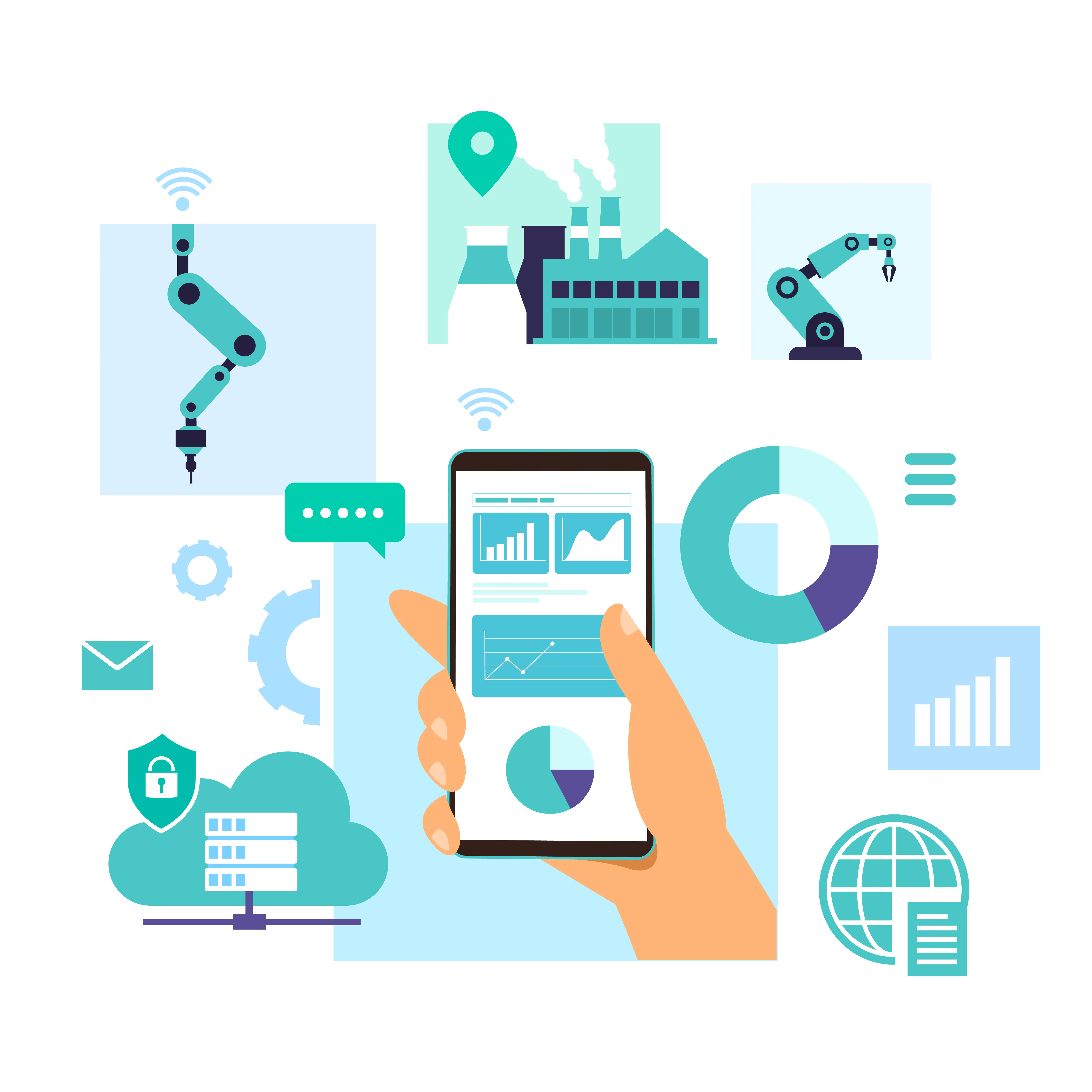
Industrial Internet of Things (IIoT) is transforming energy management in industry. Through connected sensors and intelligent platforms, it enables real-time monitoring, better consumption optimization, and significant cost reduction. How does IIoT improve energy management? This article explores 9 key benefits of this technology for the industry.
The Benefits of IIoT for Industrial Energy Management
Energy management enables industries to optimize their consumption to reduce costs and limit environmental impact. IIoT revolutionizes this approach by offering real-time monitoring, intelligent automation, and improved responsiveness to anomalies. With connected sensors and data analysis, it becomes easier to adjust and optimize energy performance.
What are the 9 key benefits of IIoT for energy management? Let's break it down.
What is Industrial IIoT?
IIoT (Industrial Internet of Things) is an extension of IoT (Internet of Things) tailored for industrial environments. It relies on intelligent sensors, connected networks, and data management platforms to monitor, analyze, and optimize industrial processes.
Unlike traditional systems, IIoT enables real-time data collection, simplifying decision-making and improving energy efficiency. It is extensively used in manufacturing, energy, logistics, and other sectors where energy monitoring is crucial.
For example, a factory equipped with IIoT sensors can continuously measure its energy consumption, detect anomalies, and automatically adjust settings to avoid waste.
This example perfectly illustrates one benefit of energy management. Although there are many, we've highlighted 9 main benefits. Let's discover them.
9 Benefits of IIoT for Industrial Energy Management
1. Reduced Energy Consumption
IIoT enables real-time monitoring of energy consumption in machinery, buildings, and industrial processes. Through data collection and analysis, optimizing energy use becomes easier.
For instance, a factory with IoT sensors can detect compressed air leaks in its compressor network, significantly reducing waste.

2. Optimized Control and Parameter Management
IIoT automates equipment management by adjusting energy parameters in real-time according to actual needs. This helps reduce excess consumption, avoid peak usage (peak shaving), and improve energy efficiency.
For example, an industrial cooling system can automatically adjust its power based on the number of employees in an area, optimizing energy usage.
3. Improved Management of Industrial Deviations and Enhanced Responsiveness
Real-time alerts allow companies to respond immediately to energy anomalies. Overconsumption, overheating, or imminent equipment failures can be detected and corrected promptly.
If an industrial oven exceeds normal consumption, it can automatically be recalibrated or scheduled for preventive maintenance.
4. Simplified Energy Monitoring
IIoT platforms provide automated, intuitive, and customizable dashboards, enabling easy access to energy data, comparison of equipment performance, and identification of inefficiencies.
An energy manager can view machine energy consumption in real-time via a connected interface to quickly spot consumption variances.
5. Adaptability with Existing Systems
Many industries still use older equipment, but IIoT allows them to modernize without replacing (retrofit). By integrating compatible sensors, it becomes possible to collect data and optimize energy management.
With energy management, a 20-year-old machine can be equipped with an IIoT sensor and transmit its consumption data to a modern supervision platform.
6. Monitoring Energy Action Plans and Continuous Optimization
IIoT enables companies to precisely measure the impact of implemented actions to reduce energy consumption and optimize industrial strategies based on the obtained results.
A company implementing an intelligent LED lighting program can assess its effectiveness through real-time data collected by IIoT. This is a highly valuable industrial energy management benefit!
7. Measuring System Efficiency
IIoT allows companies to compare actual equipment performance with forecasts and identify underperforming machines to improve energy efficiency.
A motor consuming 10% more energy than expected can be detected and optimized before impacting production costs.
8. Easier Implementation Without Downtime
Unlike traditional energy management solutions, IIoT is easier to install and more cost-effective. It enables real-time data utilization without requiring complex infrastructure.
Instead of investing in a complex SCADA system, a factory can deploy IoT sensors connected to the cloud to monitor its consumption.
9. Predictive Maintenance
Poorly maintained equipment consumes more energy and is at higher risk of failure. IIoT enables failure anticipation and prevents costly repairs.
For example, an industrial pump that starts vibrating abnormally can be repaired before it fails, preventing overconsumption and production stoppages.
IIoT offers numerous advantages for optimizing industrial energy management. With our tailored IoT solutions, you can reduce consumption, enhance performance, and anticipate deviations.
Discover how our solutions can help you! ➡ Our Industrial Monitoring Solutions
The Challenges of IIoT in Industrial Energy Management
IIoT offers undeniable benefits for energy management in industry. However, some companies are still hesitant to take the leap due to technical and security challenges. Among the main obstacles are concerns about cybersecurity and interoperability with existing systems.
Data and System Security
The adoption of IIoT leads to an exponential increase in connected devices, which raises the risk of cyberattacks. A security breach could compromise sensitive data and disrupt energy management at an industrial site. In 2021, a major cyberattack paralyzed the Colonial Pipeline in the United States, causing a fuel shortage and massive financial losses. This attack, discussed in an article by IoT Valley, highlighted the vulnerability of critical infrastructures to digital threats.
To prevent such attacks, concrete measures can be implemented by DATIVE’s Cybersecurity division:
Data encryption and strengthened authentication
Continuous monitoring of IIoT devices
Regular updates of firmware and security protocols
Interoperability with Management Systems

Integrating IIoT into an existing industrial environment can be complex. Many sites still use traditional systems (SCADA, ERP, MES, CMMS) that are not natively compatible with modern IoT sensors.
For example, a company looking to connect its old energy meters to an IoT platform may face protocol incompatibilities and need to use communication gateways to ensure data transmission.
To address these challenges, DATIVE’s solutions enable:
The use of open standards and universal protocols (Modbus, MQTT, OPC-UA)
The implementation of IoT platforms compatible with multiple technologies
The deployment of IoT gateways to facilitate communication between legacy and new equipment
Although cybersecurity and interoperability are major challenges for IIoT, solutions exist to ensure a smooth and secure transition. By adopting a structured approach, industries can optimize their energy management while securing their infrastructures.
Regulatory Obligations for IIoT in Energy Management
IIoT offers many advantages for industrial energy management. However, its deployment must take into account companies’ specific cybersecurity and data management requirements. While there are no specific regulations for IoT, companies must comply with various standards and requirements depending on their sector, location, and partners.
Meeting Clients’ Cybersecurity Requirements
Every industrial company faces specific cybersecurity expectations. Some must comply with strict regulations (such as those in the pharmaceutical or defense sectors), while others primarily focus on ensuring the integrity of their energy data.
Thanks to flexible and secure architectures, IIoT can be configured to align with existing cybersecurity policies, ensuring a compliant and secure deployment.
For instance, a food processing company using IIoT to optimize its industrial refrigeration must ensure that its connected equipment complies with cybersecurity standards imposed by its suppliers and partners.
Industry 4.0 and IIoT Security: Strategies for a Resilient Future

Data Security and Compliance with Industrial Standards
Although IIoT is not directly governed by a specific regulation, it must comply with major cybersecurity and data management standards in the industry:
ISO 27001: Information security management
NIS 2: The European directive on cybersecurity
GDPR: The General Data Protection Regulation in Europe
Conclusion: IIoT, an Essential Lever for Energy Management
Industry 4.0 can no longer do without IIoT to enhance energy performance. By bringing precision, flexibility, and intelligence to industrial infrastructures, IIoT helps companies increase competitiveness while reducing their environmental footprint.
However, adopting IIoT is not just about installing sensors; it requires a comprehensive strategy that integrates process optimization, cybersecurity, and regulatory compliance.
Embracing IIoT means choosing a more efficient and sustainable industry.
Want to learn more? Discover how our IIoT solutions can revolutionize your energy management ➡ The DAT’Power Solution