Industrial Water Management: New Standards and Regulations for 2030

Thomas Peyron
•
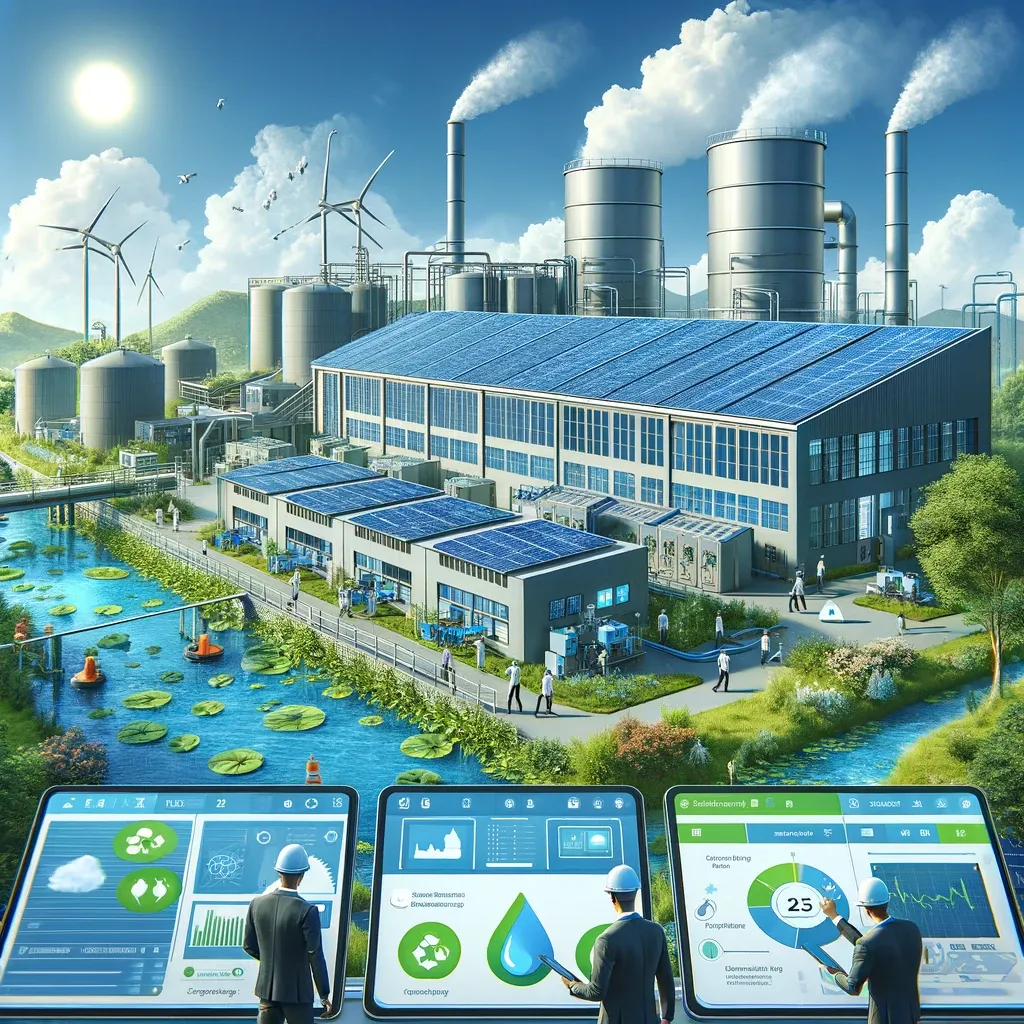
Adapt industrial processes to new legal requirements and optimize water resource management with advanced monitoring solutions.
DATIVE helps anticipate "arrêté sécheresse" restrictions and monitor water consumption and effluents in real time. Learn how these solutions support sustainable, compliant management of water resources.
Why the "arrêté sécheresse" impacts all industrial sectors
In response to recurring droughts, French authorities have strengthened the regulatory framework with the "arrêté sécheresse." This decree imposes water use restrictions based on defined alert levels (vigilance, alert, heightened alert, crisis) that directly affect industrial operations. These regulatory obligations require facilities to reduce water withdrawal and monitor consumption in real time to prevent regulatory non-compliance.
Restriction levels defined by the "arrêté sécheresse"
The "arrêté sécheresse" establishes four restriction levels based on water resource scarcity: vigilance, alert, heightened alert, and crisis. Each level dictates specific reductions in water withdrawals. For example, industrial sites can be required to reduce consumption by 5% during an alert, 10% during a heightened alert, and up to 25% during a crisis. This framework obliges industrial facilities to anticipate and align resource management with these thresholds.
Operational challenges of water restrictions for industrial sites
Industrial operators face multiple challenges under these regulations: reducing water consumption, maintaining production output, and managing effluents in real time. Without dedicated instrumentation and analytics, ensuring compliance while minimizing economic impact is difficult. Manual tracking is insufficient, as withdrawal thresholds require continuous monitoring to prevent regulatory infractions.
Methods for anticipating and managing water restrictions effectively
To meet the requirements of the "arrêté sécheresse," industrial facilities must deploy technologies that enable real-time water consumption tracking. Advanced monitoring solutions, such as DAT'Power, measure water usage precisely, identify anomalies, and facilitate process adjustments in response to active restriction levels.
Resource optimization and regulatory compliance
By integrating a monitoring system like DAT'Power, industrial facilities can comply with the "arrêté sécheresse" while optimizing resource usage. These systems provide the data necessary to adjust withdrawal rates rapidly, detect leaks or overconsumption, and reduce environmental impact while maintaining industrial performance metrics.
Technical application: Real-time monitoring in water management
Industrial facilities have deployed these advanced monitoring technologies to manage water resources. Utilizing DAT'Power, operators have reduced water consumption by 10% during crisis levels while maintaining production continuity. Real-time data allows processes to be adjusted dynamically as water availability changes, ensuring compliance with regulatory standards.
Conclusion: Process adaptation and operational security
The "arrêté sécheresse" and the upcoming 2030 standards represent operational hurdles, but also opportunities to implement sustainable technical solutions. Industrial operators preparing today with systems like DAT'Power are positioned to ensure compliance, control operational costs, and reduce environmental impact. Contact us to evaluate solutions for aligning your operations with these updated requirements.