Connected Industry: Overcoming Technical Challenges with Concrete Solutions

Thomas Peyron
•
The Challenge: Connectivity and Security in the Industry
In an industrial context where operational challenges multiply, managing data and ensuring its security have become priorities. Companies face fragmented systems, obsolete equipment, and an increasing need for energy optimization. The goal is not just to collect data, but to integrate it efficiently for decision-making and action.
DATIVE: Catalyst for Industrial Innovation
DATIVE is a division of the Gérard Perrier Industrie (GPI), specializing in Cloud, Industrial IoT, and Cybersecurity. With a customer-centric approach, we provide concrete solutions to collect, analyze, and act on real-time data while seamlessly integrating with existing infrastructures.
Challenges Addressed
Fragmented Data: Industrial systems often use various isolated protocols, making data aggregation complex. Additionally, manufacturers tend to impose closed solutions, limiting interoperability and forcing industries to adapt to siloed systems.
Energy Monitoring: Industries face increasing pressure to optimize energy performance and improve market competitiveness. The challenge lies in managing resources and consumption within complex processes. Additionally, companies must comply with standards like ISO 50001 and the French tertiary decree, which mandate precise and regular consumption monitoring. These challenges are also part of corporate social responsibility (CSR) efforts, with growing expectations for sustainable resource management and CO2 reduction.
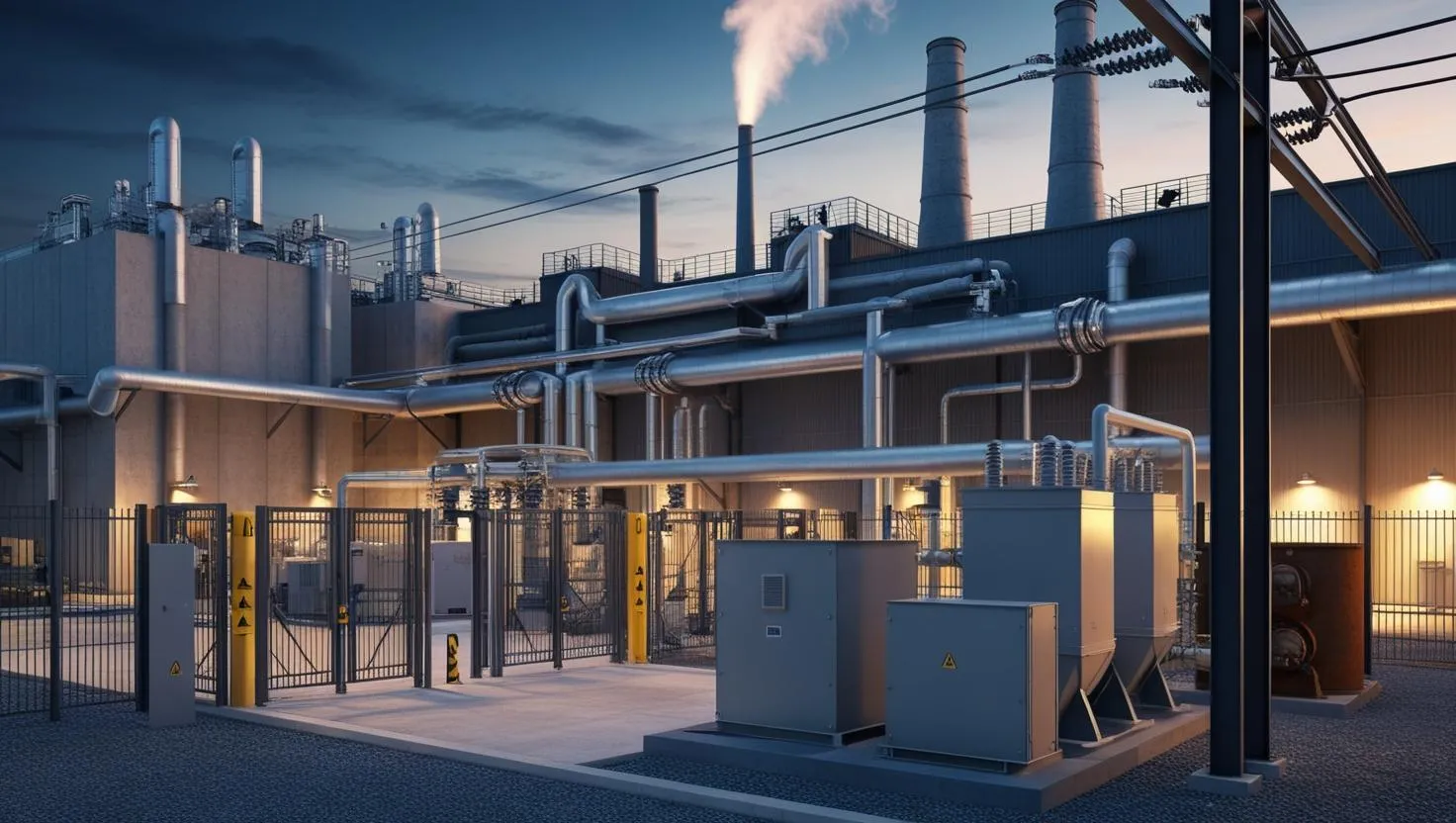
Infrastructure Security: Legacy systems are vulnerable to targeted attacks on automation and networks. Many industrial sites still rely on obsolete systems, such as Windows XP computers, essential for production but incapable of keeping up with security updates. At the same time, increasing equipment connectivity exposes these vulnerable systems further, heightening the risk of intrusions and cyberattacks. This evolution demands a reinforced approach to protecting critical infrastructure while maintaining operational efficiency.
Our Solutions: Practical Answers
1. DAT'Acquisition: Collecting and Centralizing Data
DAT’Acquisition is a middleware capable of retrieving data from various sources, including industrial protocols (energy, supervision, automation) and radio technologies like LoRaWAN. This solution enables multi-source integration without over-instrumentation, thanks to virtual meters and configuration tailored to specific needs.
2. DAT'Power: Monitoring Energy Systems and Managing Consumers
Designed specifically for energy monitoring, DAT'Power provides detailed visualization of energy consumption at different levels (workstation, machine, site). It enables real-time monitoring of energy KPIs, as well as cost and emission calculations (electricity, steam, gas, CO2 emissions, etc.). This tool facilitates cost-reduction strategies while maintaining environmental commitments.
Furthermore, DAT’Power can integrate with third-party systems such as ERPs or MES and be enriched with external data like HDD (Heating Degree Days) or production information. It also enables control of equipment such as heating and lighting for optimized energy management.
Use Case: Ninkasi
During an energy monitoring deployment at Ninkasi, a Lyon-based brewery and distillery, DAT'Power enabled real-time energy consumption tracking, data cross-referencing with production metrics, and the generation of relevant indicators to reduce production costs.
3. DAT'Process: Optimize and Connect with CMMS
DAT'Process is an advanced solution for equipment management and industrial performance optimization. Relying on mathematical models and behavioral equations, this tool allows users to simulate different operational scenarios. Users can identify the impact of each modification on the production process and implement customized workflows.
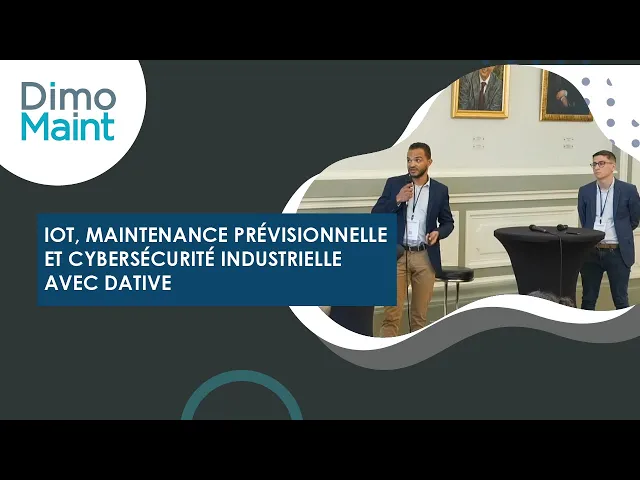
DAT’Process also stands out for its seamless integration with CMMS systems, such as DIMO Software. This synergy links maintenance data with equipment performance, providing a comprehensive view of operations. Additionally, DAT’Process can automatically detect anomalies in equipment through predictive analytics. These anomalies can then trigger intervention requests directly within the CMMS, ensuring optimal responsiveness and simplified management of maintenance priorities.
This solution is ideal for industrial companies seeking to minimize machine downtime, optimize resource consumption, and enhance maintenance interventions by preventing failures.
Cybersecurity: A Prerequisite
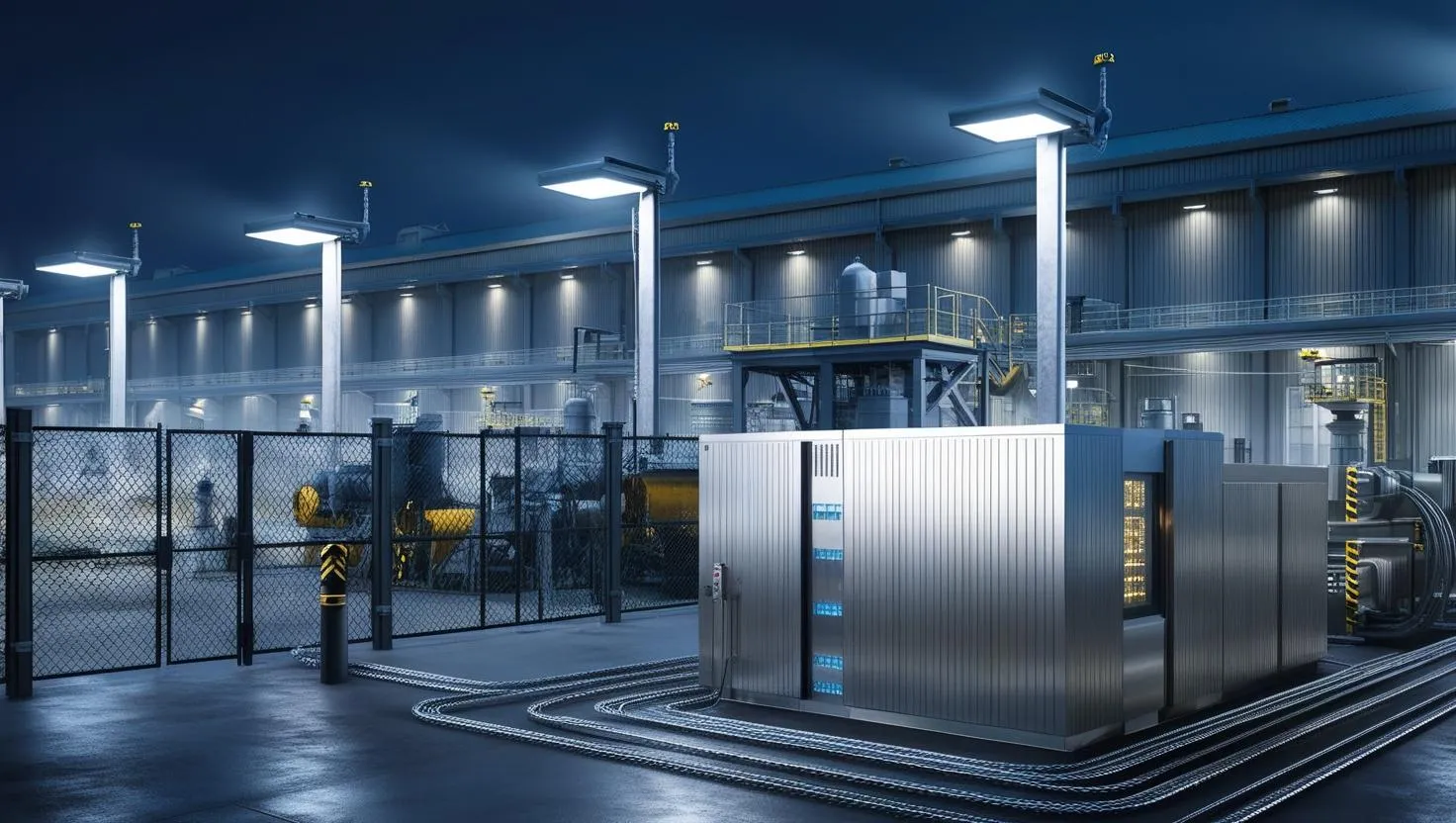
Industrial systems often have significant vulnerabilities (unencrypted protocols like Modbus, outdated PLCs). At DATIVE, we support our clients through audits, risk assessments, and tailored security solutions. These include deploying IDS (Intrusion Detection Systems) sensors to monitor network anomalies, securing critical workstations to prevent unauthorized access, and segmenting networks to isolate sensitive areas. Our goal is to ensure production continuity even in the event of an attack while strengthening the overall resilience of industrial infrastructure.
Why Choose DATIVE?
Tailored Approach: Our solutions adapt to the specific needs of each site. As industry professionals, we fully understand the challenges of performance, production continuity, and risk management. This sector expertise allows us to deliver pragmatic solutions directly applicable to real-world conditions.
Interoperability: We unify data and equipment within a single architecture while ensuring secure connectivity between IT and OT environments. Our infrastructures enable easy future equipment integration, guaranteeing a sustainable and open-ended solution.
Technical Expertise: Our tools combine innovation and pragmatism to meet industrial needs. We integrate advanced technologies like AI in a targeted and functional manner: every deployed solution addresses a concrete need, avoiding the use of technology for mere novelty. Our approach guarantees measurable results tailored to real-world constraints.