

Industrial Metering Plan: The First Structuring Step Towards Energy Performance
In the industry, it is impossible to optimize what is not measured. In the face of the sustained increase in energy costs, regulatory requirements, and industrial performance objectives, all industrial companies are now concerned with controlling their consumption, whether it is a financial, environmental, or strategic issue.
The energy metering plan represents the first concrete step in an industrial energy performance strategy. It helps identify energy-intensive equipment, define the types of meters and sensors to be installed and their positioning within your production site, and prioritize optimization actions with structure and pragmatism.
At DATIVE, we support manufacturers in developing their metering plan at a controlled cost, typically a few thousand euros per building (depending on size, equipment type, etc.). An accessible investment that quickly provides a clear view of energy uses and prepares the next steps with confidence.
Request a quote for your energy metering plan
What is an energy metering plan in an industrial environment?
An industrial metering plan consists of mapping your energy flows across buildings, utilities and processes in order to define the truly relevant measurement points.
Unlike a purely theoretical or exhaustive approach, the objective is not to measure everything, but to measure what enables you to make decisions and take concrete action on your energy consumption.
In practical terms, a metering plan includes:
- Analysis of energy flows by building, area or workshop,
- Identification of significant energy uses (electricity, gas, steam, compressed air, water, cooling, etc.),
- Prioritization of measurement points,
- Instrumentation recommendations adapted to on-site constraints,
- A clear diagram of sensors, meters and communication networks.
This document becomes the roadmap for your site’s future energy monitoring system.
Your essential starting point to benefit from CEE incentives (IND-UT-134)
To be eligible for the IND-UT-134 scheme, your project must rely on a formalized metering plan identifying Significant Energy Uses (SEUs), defining relevant measurement points, the acquisition architecture (meters, sensors, gateways) and the Energy Performance Indicators (EnPIs) to be calculated. The scheme notably requires:
- A preliminary study carried out by a qualified professional (metering plan compliant with NF EN 17267 + EnPIs + operating procedures), which our teams deliver in full regulatory compliance,
- The deployment of dedicated measurement and data logging systems, including EnPI calculations correlating consumption and production, which we provide through our DAT’Power solution,
Without a structured metering plan, it becomes difficult to demonstrate that instrumented points effectively cover your SEUs and that your EnPIs are reliable and actionable. Your CEE application may therefore be rejected or downgraded. Conversely, a solid plan facilitates the commissioning of an energy management solution (such as DAT’Power) compliant with scheme requirements (standardized acquisition, EnPIs, alerts, dashboards) and secures the valorization of certificates.
I would like to benefit from CEE incentives
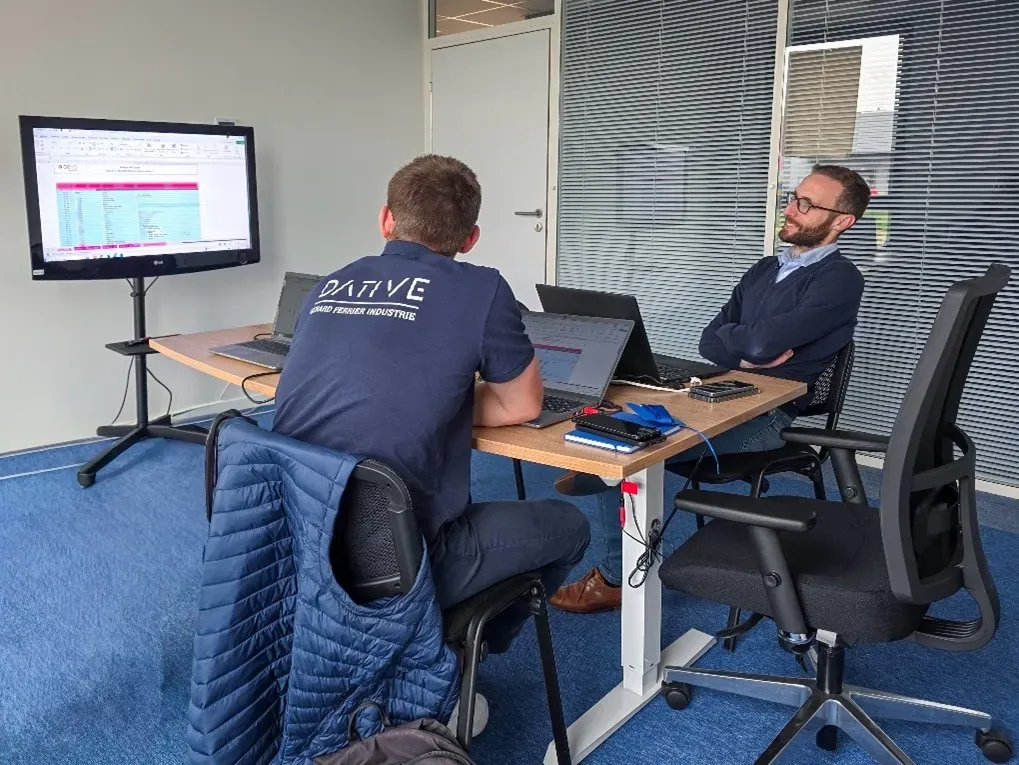
A limited investment to structure your energy decisions
With a controlled budget, the metering plan is one of the most accessible levers to initiate an energy optimization strategy. It also enables access to CEE funding mechanisms that further improve the overall ROI of your solution.
It notably allows you to:
- Structure and secure your energy data,
- Identify priority savings opportunities,
- Quantify future projects based on factual data,
- Prepare upcoming energy budgets (particularly 2026–2027),
- Accelerate decarbonization and energy efficiency initiatives.
In most cases, energy optimization or monitoring projects achieve an ROI between 1 and 5 years, depending on usage and site maturity.
The metering plan helps secure these investments by avoiding random or oversized decisions.
Request a call from our energy experts
An approach adapted to all levels of industrial maturity
On site, situations vary significantly:
- Sites already engaged in a structured energy strategy,
- Sites relying only on global monthly readings,
- Teams aware of the challenges but lacking a clear methodology.
The metering plan aligns maintenance, production, energy management, industrial management and finance teams around a shared and progressive framework:
- Assessment of the current situation,
- Definition of clear objectives,
- Prioritization of actions,
- Construction of a realistic multi-year roadmap.
The objective is not to challenge existing practices, but to structure and progressively enhance them.
From metering plan to energy monitoring with DAT’Power
Once the metering plan is defined, it becomes possible to deploy an energy supervision system such as DAT’Power, the solution developed by our DATIVE teams.
DAT’Power enables you to:
- Automatically collect data from meters and sensors,
- Monitor consumption in real time,
- Detect deviations and overconsumption,
- Quantify losses in €/day,
- Prioritize corrective actions based on return on investment.
You move from a static snapshot of your consumption to a dynamic and data-driven management of your energy performance, directly connected to your industrial operations.
The metering plan: a small technical step, a major strategic move
The energy metering plan is often underestimated. Yet it represents:
- The first structuring step in a successful energy optimization strategy,
- A decision-making tool for both technical teams and management,
- A reliable foundation for deploying monitoring and optimization solutions.
With a controlled budget, it establishes solid foundations, identifies high-impact areas and prepares the smooth integration of an energy management system such as DAT’Power.
Request your energy metering plan
News

Looking to control your energy consumption and costs while meeting regulatory requirements (CEE, ISO 50001, BACS Decree)? By combining Carlo Gavazzi sensors and meters, the Dupline fieldbus and the DAT’Power Energy Management System, you can turn your site data into clear dashboards, relevant alerts and actionable decisions, delivering a tangible return on investment.
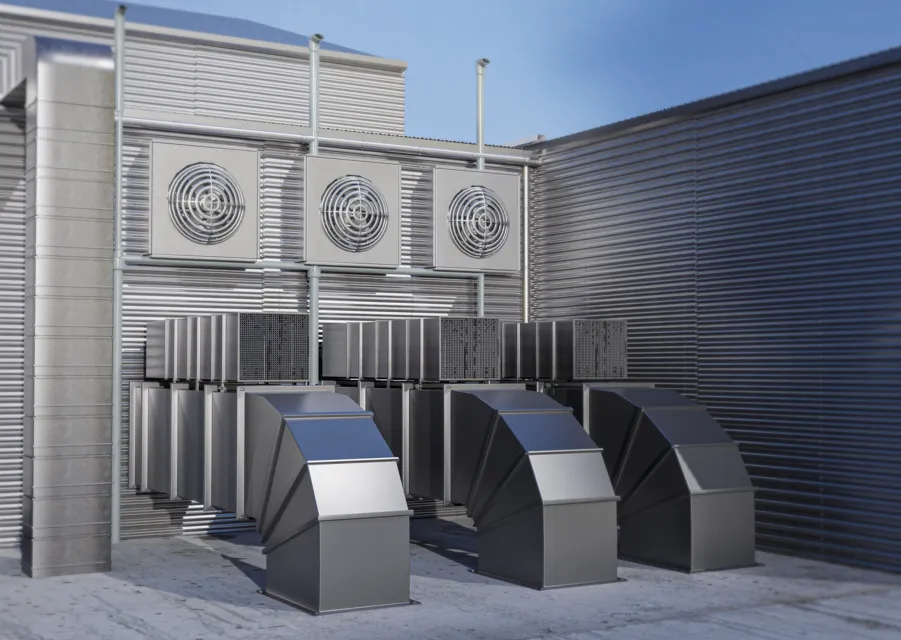
An industrial air-handling system manufacturer selected DAT’Power to structure and optimize its energy management strategy: multi-MES instrumentation, centralized hypervision, and role-specific dashboards. Discover how this project improves responsiveness and strengthens decision-making for energy and maintenance managers.
On December 2nd, our DATIVE teams will participate in the Energy for Industry trade show at the Lyon Convention Center. This event, which has become a must-attend for players in the industrial sector, brings together each year experts, suppliers and decision-makers committed to the energy transition
Anonymized 2025 case study: how we deployed DAT’Power on an upper-tier SEVESO site, in controlled phases, to balance HSE, cybersecurity, production continuity and measurable savings.